How can international brands execute private label/OEM fruit products with suppliers in vietnam?
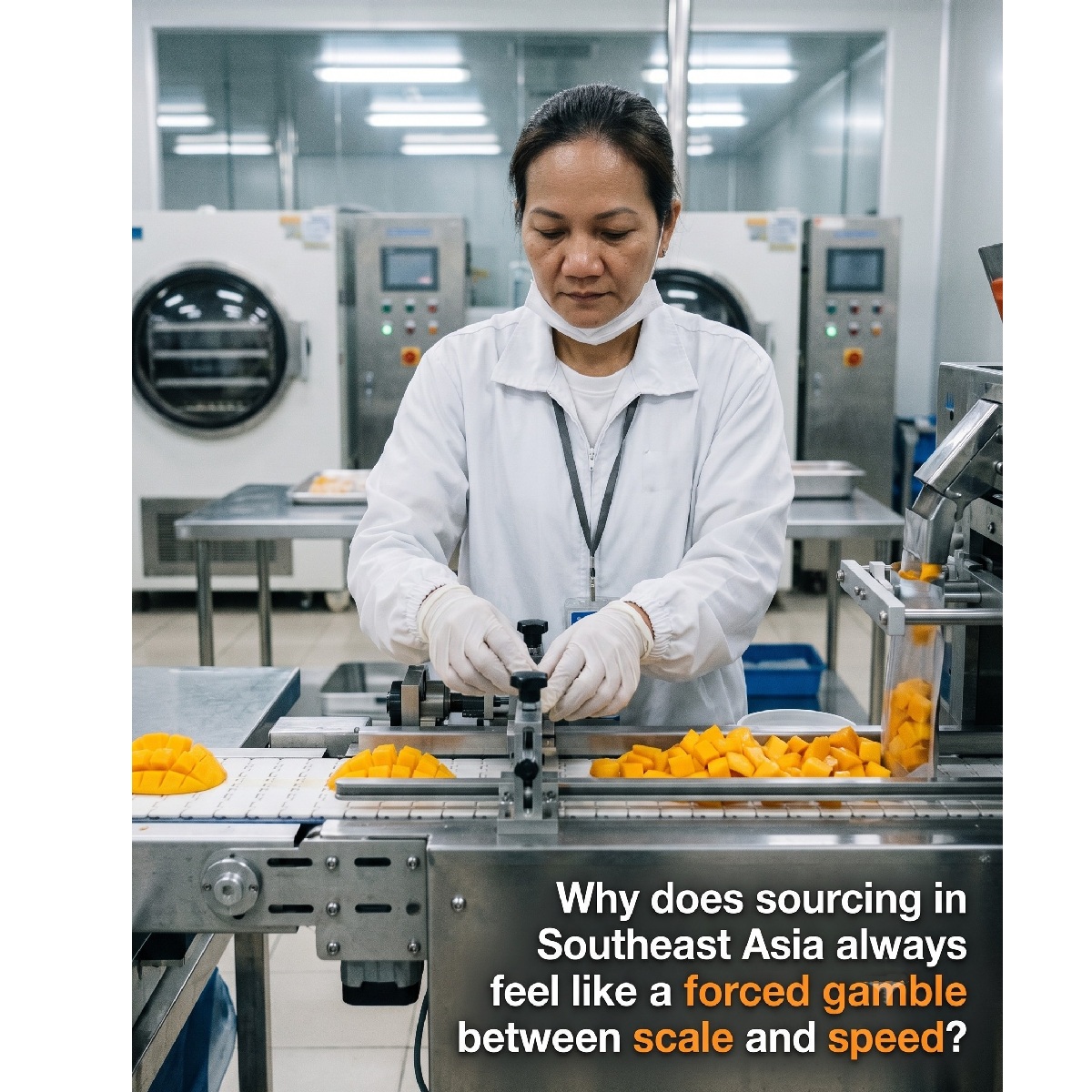
Executing a successful Private Label or OEM program in Vietnam requires international brands to move past transactional "spot-buying" and embrace co-development partnerships. The real challenge lies in balancing initial volume commitments with the flexibility needed to test new markets. Vietnam’s modern Tier-1 factories offer high-tech processing capabilities like IQF freeze-drying and advanced purees, providing the agility global brands need to scale up systematically.
What do our Vietnamese Factories need to do:
- Vietnamese modern factories must transition from basic raw processors to complete solution providers, offering diversified retail-ready packaging formats such as zip-lock stand-up pouches, stickpacks, and corporate snack packs.
- Establish Tiered MOQ Frameworks: Local suppliers must implement flexible, laddered Minimum Order Quantity (MOQ) structures to absorb client risk during the initial testing and pilot phases, fostering long-term strategic loyalty.
- Integrate Vertical Supply Chains: Processing facilities must maintain strict farm-to-port traceability and deep integration with agricultural cooperatives to guarantee unyielding quality control and regulatory compliance for premium global markets.
What do our Sourcing Managers need to do:
- Execute Lean Testing & Leverage R&D: International buyers should actively utilize the supplier's on-site R&D labs to systematically tweak product parameters like sweetness, texture, or brix profiles to align with the target market's palate before ordering at mass scale.
- Scale-Up Models: Strategic sourcing directors must structure retail rollouts into distinct phases, using flexible pilot runs to gauge early consumer reception before locking in large-scale container costs.
- Verify Global Compliance Frameworks: Buyers must independently audit processing partners to ensure they hold essential international certifications—such as BRCGS, FDA, GlobalGAP, and ISO—which serve as the mandatory foundation for clean market entry.
For decades, the global private-label fruit sector across Southeast Asia was defined by Thailand and the Philippines. These regional giants established massive trading ecosystems built for traditional, high-volume distributors.
However, this framework often forces global sourcing managers into these situations: commit to massive, huge MOQs on day one, or sacrifice brand differentiation by testing markets with generic stock packaging.
Vietnam agriculture is no longer just about exporting raw materials. We are rapidly transforming into a sophisticated hub for deep-processing technology, backed by high-end European lines like IQF flash-freezing and low-temperature dehydration. Today, our leading suppliers are anchoring their business models around agility, transparency, and active co-development with international partners.
A MESSAGE TO SOURCING MANAGERS
The competitive landscape has evolved past the point where factories just sell what they grow. The future belongs to integrated supply chains that can adapt lean pilot testing while holding the technical capacity to scale up when a product hits its stride.
Buyers are no longer just looking for a low FOB quote; they are actively seeking flexible processing partners who can protect their brand margins and reduce time-to-market friction.

18-year experience in Import & Export - with a strong background in international commerce, I am confident in bringing my agro-export knowledge to friends and partners around the world - contributing in elevating the value of Vietnamese agriculture on the international stage.
Join Our Group to Learn & Share Toghether

Join our Comunity - Lifestyle IdeaSpace - Collaborative Space for Learning & Sharing – a space we’ve created for everyone to share, connect, and learn together.